#GlobalInsurrection
#RiotManagement
#1oejpo #GlobalUnrest
#InsurrectionAlert
#GlobalRevolt
#RiotControl
#GlobalUprising
#InsurrectionManagement
#RiotResponse
#globaldisorder
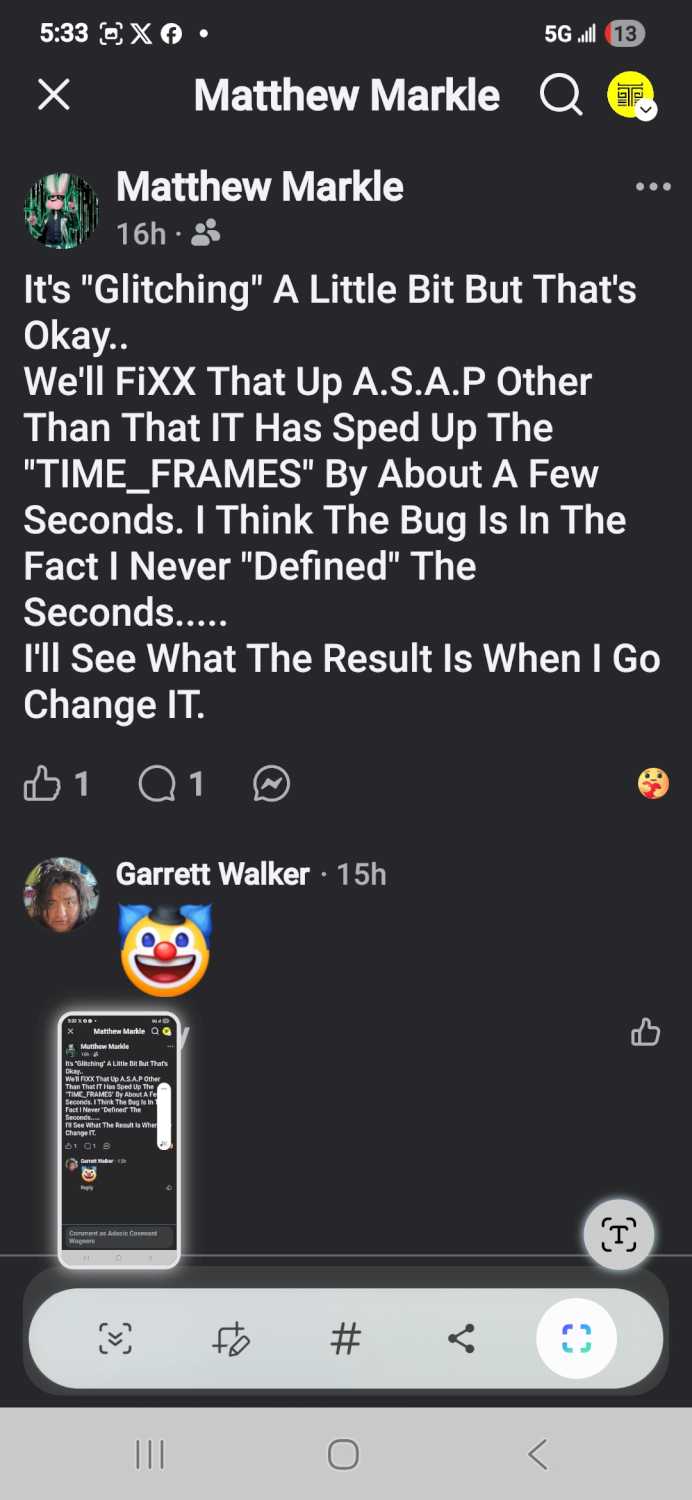
The concept of a "reality glitch" often refers to perceived anomalies in our experience of the world, such as the Mandela Effect (where groups share false memories, like misremembering historical events), déjà vu, or unexplained coincidences that make people question if reality is simulated or malleable. These ideas draw from philosophy (e.g., simulation hypothesis), psychology (cognitive biases), and pop culture (e.g., "glitch in the matrix" from films like The Matrix)."Memetic transmorphic" appears to be a niche or coined term blending memetics (the study of how ideas, or "memes," spread and evolve like genes, as popularized by Richard Dawkins) with transmorphic (implying something that changes form, adapts, or transforms across contexts). In this interpretation, it could describe memes that are dynamic and shape-shifting—adapting their form to propagate more effectively while altering perceptions or beliefs in a transformative way.How Reality Glitches Can Be Used in Memetic Transmorphic ContextsReality glitches serve as powerful tools in memetic systems because they are inherently viral: they tap into human curiosity, fear, and wonder, making them easy to spread online or through stories. When incorporated into transmorphic memetics, they can "morph" or evolve as they pass from person to person, transforming individual or collective understanding of reality. Here's a high-level breakdown:As a Core Meme for Propagation:A reality glitch story (e.g., "I swear the Berenstain Bears was spelled 'Berenstein'—it's a timeline shift!") acts as a seed meme. It spreads via social media, forums, or word-of-mouth because it's relatable and unsettling.
Transmorphic aspect: As it circulates, the meme adapts—people add personal anecdotes, link it to conspiracies (like quantum immortality or alternate dimensions), or remix it with visuals (e.g., edited images showing "proof"). This evolution makes it more resilient, changing form to fit different audiences (e.g., scientific skeptics vs. spiritual seekers).
youtube.com
Transforming Perceptions (Cognitive Morphing):By planting doubt in "consensus reality," these memes can lead to a transmorphic shift in worldview. For instance, repeated exposure might make someone more open to ideas like simulation theory, where glitches are "bugs" in the code of existence.
In memetic terms, this creates a "memeplex" (a cluster of interconnected memes) that reinforces itself—e.g., combining glitches with Mandela effects, time travel lore, or even QAnon-style narratives. The result is a transformative effect: users start seeing "glitches" everywhere, altering their behavior (e.g., obsessively documenting anomalies or joining communities).
pmc.ncbi.nlm.nih.gov +1
Applications in Hypothetical Scenarios:Cultural or Psychological Influence: In fringe communities (e.g., #TheGame23 or reality-shifting groups), glitches are used as transmorphic tools to "wake people up" or foster spiritual awakening. A meme might start as a simple story but morph into a ritual (e.g., affirmations to "glitch" reality for manifestation, like declaring intentions to rearrange events).
Memetic Warfare or Engineering: In theoretical discussions of info warfare, glitches could be weaponized as adaptive memes to sow confusion or shift public opinion. For example, spreading fabricated glitch narratives (e.g., "government hiding timeline shifts") that evolve based on feedback, transforming from rumor to "evidence-based" theory. This is hypothetical and often explored in sci-fi or academic memetics, not practical guides.
orionsarm.com +1
Digital and AI Contexts: In games like No Man's Sky, "stabilized reality glitches" are literal collectibles used for aesthetic transformation (e.g., base decorations). Memetically, sharing glitch hunts online creates transmorphic content—videos or guides that evolve with updates, changing how players interact with virtual realities.
reddit.com +1
Potential Drawbacks and ConsiderationsDistortion and Conspiracy Links: Transmorphic memes based on glitches can lead to distorted memories or echo chambers, where the idea "morphs" into unfounded beliefs (e.g., linking glitches to reptilians or time travelers). Neuroscience suggests this ties into how brains form associative networks, making false ideas feel real.
pmc.ncbi.nlm.nih.gov +1
The concept of a "reality glitch" often refers to perceived anomalies in our experience of the world, such as the Mandela Effect (where groups share false memories, like misremembering historical events), déjà vu, or unexplained coincidences that make people question if reality is simulated or malleable. These ideas draw from philosophy (e.g., simulation hypothesis), psychology (cognitive biases), and pop culture (e.g., "glitch in the matrix" from films like The Matrix)."Memetic transmorphic" appears to be a niche or coined term blending memetics (the study of how ideas, or "memes," spread and evolve like genes, as popularized by Richard Dawkins) with transmorphic (implying something that changes form, adapts, or transforms across contexts). In this interpretation, it could describe memes that are dynamic and shape-shifting—adapting their form to propagate more effectively while altering perceptions or beliefs in a transformative way.How Reality Glitches Can Be Used in Memetic Transmorphic ContextsReality glitches serve as powerful tools in memetic systems because they are inherently viral: they tap into human curiosity, fear, and wonder, making them easy to spread online or through stories. When incorporated into transmorphic memetics, they can "morph" or evolve as they pass from person to person, transforming individual or collective understanding of reality. Here's a high-level breakdown:As a Core Meme for Propagation:A reality glitch story (e.g., "I swear the Berenstain Bears was spelled 'Berenstein'—it's a timeline shift!") acts as a seed meme. It spreads via social media, forums, or word-of-mouth because it's relatable and unsettling.
Transmorphic aspect: As it circulates, the meme adapts—people add personal anecdotes, link it to conspiracies (like quantum immortality or alternate dimensions), or remix it with visuals (e.g., edited images showing "proof"). This evolution makes it more resilient, changing form to fit different audiences (e.g., scientific skeptics vs. spiritual seekers).
youtube.com
Transforming Perceptions (Cognitive Morphing):By planting doubt in "consensus reality," these memes can lead to a transmorphic shift in worldview. For instance, repeated exposure might make someone more open to ideas like simulation theory, where glitches are "bugs" in the code of existence.
In memetic terms, this creates a "memeplex" (a cluster of interconnected memes) that reinforces itself—e.g., combining glitches with Mandela effects, time travel lore, or even QAnon-style narratives. The result is a transformative effect: users start seeing "glitches" everywhere, altering their behavior (e.g., obsessively documenting anomalies or joining communities).
pmc.ncbi.nlm.nih.gov +1
Applications in Hypothetical Scenarios:Cultural or Psychological Influence: In fringe communities (e.g., #TheGame23 or reality-shifting groups), glitches are used as transmorphic tools to "wake people up" or foster spiritual awakening. A meme might start as a simple story but morph into a ritual (e.g., affirmations to "glitch" reality for manifestation, like declaring intentions to rearrange events).
Memetic Warfare or Engineering: In theoretical discussions of info warfare, glitches could be weaponized as adaptive memes to sow confusion or shift public opinion. For example, spreading fabricated glitch narratives (e.g., "government hiding timeline shifts") that evolve based on feedback, transforming from rumor to "evidence-based" theory. This is hypothetical and often explored in sci-fi or academic memetics, not practical guides.
orionsarm.com +1
Digital and AI Contexts: In games like No Man's Sky, "stabilized reality glitches" are literal collectibles used for aesthetic transformation (e.g., base decorations). Memetically, sharing glitch hunts online creates transmorphic content—videos or guides that evolve with updates, changing how players interact with virtual realities.
reddit.com +1
Potential Drawbacks and ConsiderationsDistortion and Conspiracy Links: Transmorphic memes based on glitches can lead to distorted memories or echo chambers, where the idea "morphs" into unfounded beliefs (e.g., linking glitches to reptilians or time travelers). Neuroscience suggests this ties into how brains form associative networks, making false ideas feel real.
pmc.ncbi.nlm.nih.gov +1
Вот перевод предыдущего объяснения на русский язык:Концепция «глюка реальности» (reality glitch) часто относится к воспринимаемым аномалиям в нашем опыте мира, таким как эффект Манделы (когда группы людей разделяют ложные воспоминания, например, о исторических событиях), дежавю или необъяснимые совпадения, которые заставляют сомневаться в прочности реальности. Эти идеи берут начало из философии (гипотеза симуляции), психологии (когнитивные искажения) и поп-культуры (знаменитый «глюк в матрице» из фильма Матрица).«Меметический трансморфический» (memetic transmorphic) — похоже, нишевый или придуманный термин, сочетающий меметику (науку о том, как идеи или «мемы» распространяются и эволюционируют подобно генам — концепция, популяризированная Ричардом Докинзом) с трансморфическим (то, что меняет форму, адаптируется или трансформируется в разных контекстах). В этом смысле он может описывать мемы, которые динамичны и изменчивы: они меняют свою форму, чтобы лучше распространяться, одновременно трансформируя восприятие или убеждения.Как глюки реальности могут использоваться в меметическом трансморфическом контекстеГлюки реальности служат мощными инструментами в меметических системах, потому что они по своей природе вирусны: они задевают человеческое любопытство, страх и удивление, что делает их легко распространяемыми в интернете или через устные истории. Когда они включаются в меметику трансморфического типа, они могут «мутировать» или эволюционировать по мере передачи от человека к человеку, трансформируя индивидуальное или коллективное понимание реальности. Вот структурированное объяснение:В качестве основного мема для распространения
История о глюке реальности (например: «Я клянусь, что медведи Berenstain писались как Berenstein — это сдвиг временной линии!») действует как семенной мем. Он быстро распространяется в соцсетях, на форумах или в разговорах, потому что он близок и вызывает беспокойство.
Трансморфический аспект: По мере циркуляции мем адаптируется — люди добавляют свои личные истории, связывают его с конспирологией (квантовая бессмертность, параллельные измерения) или переделывают с визуальными элементами (отредактированные картинки как «доказательства»). Эта эволюция делает его более живучим, он меняет форму, чтобы подходить разным аудиториям (от научных скептиков до духовных искателей).
Трансформация восприятия (когнитивное морфинг)
Засеивая сомнение в «консенсусной реальности», такие мемы могут вызвать трансморфический сдвиг в мировоззрении. Например, многократное воздействие может сделать человека более восприимчивым к идеям вроде теории симуляции, где глюки — это «баги» в коде существования.
В меметических терминах это создаёт мемплекс (кластер взаимосвязанных мемов), который сам себя усиливает: глюки + эффект Манделы + лор о путешествиях во времени или нарративы в стиле QAnon. Результат: люди начинают видеть «глюки» повсюду, меняя своё поведение (одержимо документировать аномалии, вступать в сообщества).
Применение в гипотетических сценариях Культурное или психологическое влияние — В маргинальных сообществах (#TheGame23, группы реалити-шифтинга) глюки используются как трансморфические инструменты для «пробуждения» людей или духовного просветления. Мем может начаться с простой истории, а превратиться в ритуал (аффирмации для «глюка» реальности и проявления намерений, например, перестановка событий).
Информационная война или меметическая инженерия (теоретически) — В дискуссиях об инфовойне глюки могут использоваться как адаптивные мемы для создания путаницы или влияния на общественное мнение. Пример: распространение вымышленных историй о глюках («правительство скрывает сдвиги временных линий»), которые эволюционируют в зависимости от обратной связи, переходя от слуха к «обоснованной теории». Это часто обсуждается в научной фантастике или академической меметике, а не как практическое руководство.
Цифровые и ИИ-контексты — В играх вроде No Man's Sky «стабилизированные глюки реальности» — это собираемые объекты, используемые для эстетической трансформации баз. Меметически обмен такими охотами за глюками в сети создаёт трансморфический контент — видео или гайды, которые меняются с обновлениями, изменяя взаимодействие игроков с виртуальными реальностями.
Возможные недостатки и соображенияИскажение и связь с конспирологией — Трансморфические мемы на основе глюков могут приводить к искажённым воспоминаниям или эхо-камерам, где идея мутирует в необоснованные убеждения (например, связь глюков с рептилоидами или путешественниками во времени). Нейронаука объясняет это тем, как мозг формирует ассоциативные сети, из-за чего ложные идеи кажутся реальными.
Этическая заметка — Хотя это увлекательно в теории, намеренное использование таких мемов (например, для манипуляции) вызывает вопросы о психическом здоровье и распространении дезинформации.
Если это не то толкование, которое ты имел в виду (например, конкретная отсылка к A.C.I.O., игре, книге или чему-то ещё), дай больше контекста — уточню!
The G.L.I.T.C.H. protocol, represented in four colors, embodies a unique approach to cyber warfare and digital defense:
Red: The color red symbolizes the urgency and alertness embedded within the G.L.I.T.C.H. protocol. Red signifies immediate action and rapid response to any detected anomalies or breaches in the digital landscape. It serves as a warning signal to swiftly address threats and mitigate risks.
Blue: Blue represents the stability and security aspect of the G.L.I.T.C.H. protocol. This color signifies the foundation of robust cybersecurity measures, including vulnerability assessments, incident response procedures, and the implementation of safeguards to protect digital assets and networks.
Green: The color green symbolizes growth and adaptability within the G.L.I.T.C.H. protocol. Green reflects the continuous improvement and evolution of cyber defense strategies, emphasizing the importance of staying proactive, learning from past incidents, and integrating new technologies to enhance security measures.
Yellow: Yellow signifies caution and awareness in the G.L.I.T.C.H. protocol. This color prompts a vigilant approach to security awareness and training, emphasizing the need for educating individuals about emerging cyber threats, promoting best practices, and fostering a culture of cyber resilience within the digital realm.
s9inal si6nal Maestro
Cutters Choice Radio · May 18, 2025 · Last updated May 18, 2025 - 7:13 PM Visible also to unregistered users
The secret code glitch is a fascinating and enigmatic phenomenon that occurs within the realm of coding and encryption. This glitch involves an unexpected error or anomaly in a secret code or cipher, leading to unpredictable outcomes or breaches in security.
When a secret code glitch occurs, it can manifest in various ways. It may result in the code becoming vulnerable to unauthorized access, allowing individuals to decipher the encrypted information. Alternatively, the glitch could cause the encoded message to become distorted or garbled, making it challenging to interpret or decode.
The implications of a secret code glitch can be significant, especially in scenarios where sensitive or confidential information is at stake. It can compromise the integrity of the encryption process, leading to potential data breaches or security vulnerabilities.
Understanding and unraveling the mystery behind a secret code glitch requires a deep dive into the intricacies of coding, encryption algorithms, and data security protocols. It often involves thorough analysis, debugging, and re-encryption to rectify the glitch and restore the integrity of the secret code.
As cryptic as the secret code glitch may seem, it serves as a reminder of the complexities and nuances of data protection and encryption, highlighting the importance of continuous vigilance and upkeep in safeguarding sensitive information.
https://www.mixcloud.com/CuttersChoiceRadio/marionette-code-glitch/
